Establishing A Leadership Role
I’ve learned that true leadership means standing with others, not above them. Some of my favorite experiences growing up have come from serving as a captain and representing others. Listening intently, communicating efficiently, and motivating with intent and passion are among the main traits I have developed throughout my high school and early collegiate career.
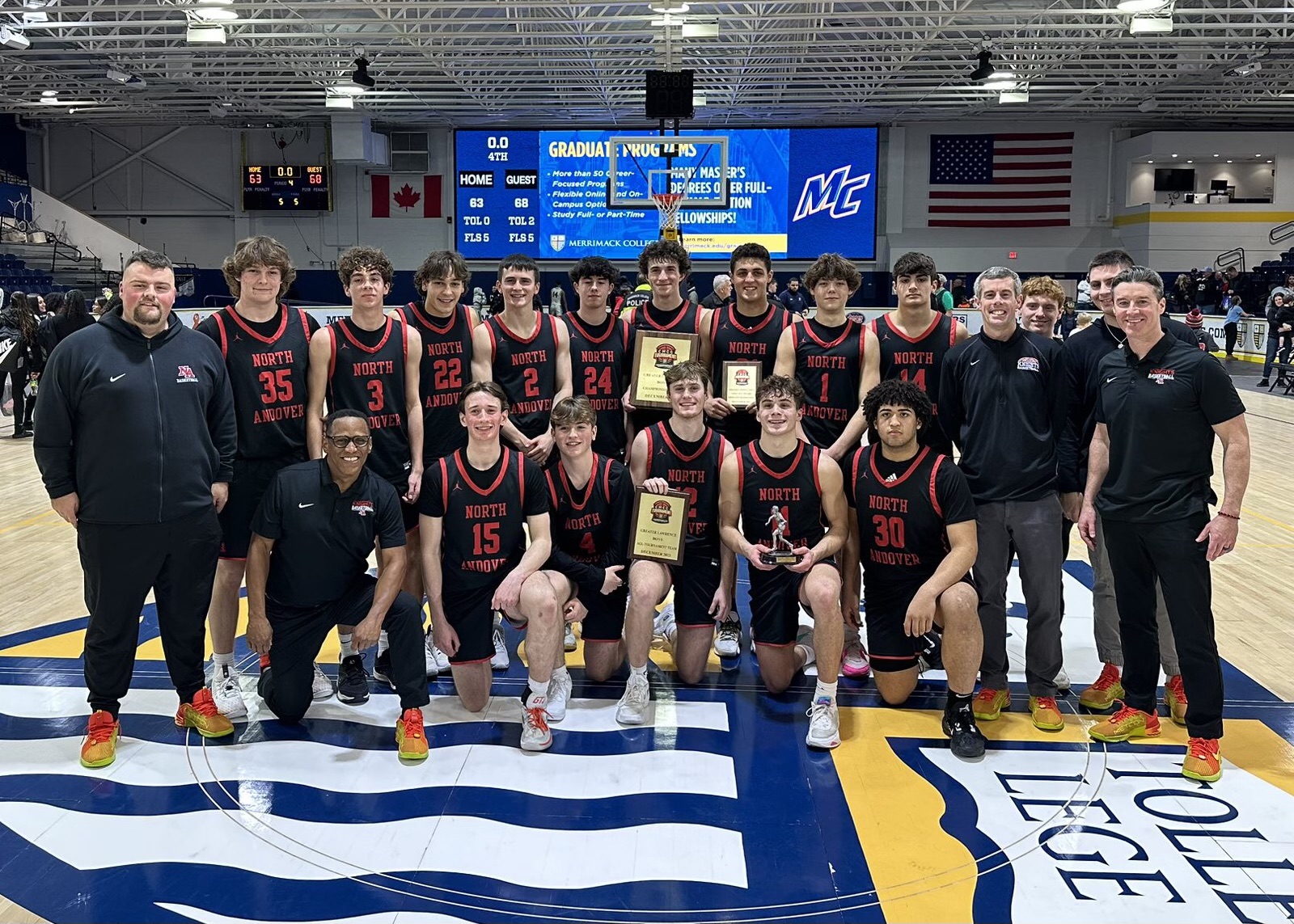
I was a two year captain for my men’s basketball team in high school, in addition to being a football captain. The most important thing for me as a captain is to ensure that I am able to communicate with my team. Whether it is text messages or team meetings, I always addressed the teams to communicate important information or overall thoughts.
During my basketball season, I held weekly team meetings where our team discussed our upcoming games, academics, and any other aspects that could affect the team. Similar to football, we would hold meetings that emphasized the mental health of things, as physicality could wear down on individuals.
To me, being a captain that is approachable is essential. I have been in situations where I do not feel comfortable, and I could even feel nervous, communicating with a captain for a specific request. I always try to approach my teammates individually when I can, because I have learned that small conversations with them can open them up a lot more, as opposed to speaking in front of a team.
Negativity is never an answer for me. When something does not go someone’s way, I would never yell at them. I would always ensure my teammate to move on and keep their head up, not raising my voice, but having a quick exchange with my hand around their shoulder.
Mistakes happen, and never are they made on purpose in sports. No teammate is trying to do so, so I would always go up to my teammate and let them know that we are there for them and to stay positive. It is contagious, and once there is a team that is looking out for others like that, a team can bend, but it will absolutely never break.
It is very easy to approach players when they are doing well. But, who are you when they are not dosing well? That is when they need positive voices the most, and that is when I am committed to lifting them back up so they can help the team in any way they can.
In addition, at Wesleyan University, I am a member of the Student-Athlete Athletic Committee (SAAC), and representing my team at meetings and other events is special. Communication is essential to ensure specific needs or updates within the team, and it is my responsibility to convey those messages with encouragement.
Leadership is about care, not control. My brother, who plays football for Navy, always reminds me that your youngest guy is your biggest responsibility. It is easy to communicate with your senior friends, but what about the freshmen? Communicating with them is the most important part of uniting a team.
If everyone is together and empathetic towards one another, that’s a team that will go far, not only in sports, but in life.